Introduction
In any emergency circumstance, the capacity to evaluate a casualty's responsiveness can suggest the distinction between life and death. Recognizing how to perform this critical assessment is important for anyone involved in Basic Life Support (BLS) training. This post delves into The Relevance of Inspecting Responsiveness: A BLS Essential, discovering its importance within the broader context of fundamental vs sophisticated life assistance practices, hospital codes and protocols, and much more.
Table of Contents
Understanding Responsiveness in BLS- What is Responsiveness? Why is it Essential in Emergencies?
- Overview of Basic Life Support Transitioning to Advanced Life Support
- Step-by-Step Guide Common Errors to Avoid
- Signs of No Breathing What to Do Next
- Understanding AEDs When to Use an AED
- Benefits of BLS Training How to Get Certified
- The Importance of Teamwork Recommended Compression Rates
- Techniques for Remaining Calm The Function of Calmness in Efficient Response
Understanding Responsiveness in BLS
What is Responsiveness?
Responsiveness refers to a person's capacity to respond to stimulations, such as verbal commands or physical touch. In a medical emergency, examining responsiveness assists determine the necessity and type of care required.
Why is it Vital in Emergencies?
Checking responsiveness allows responders to promptly examine a victim's condition, assisting subsequent actions such as calling for aid or performing CPR. Fundamentally, it establishes the stage for all more interventions.

Basic vs Advanced Life Support
Overview of Basic Life Support
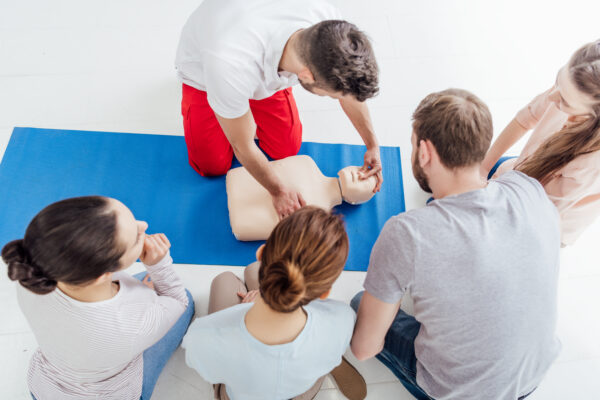
Basic Life Assistance (BLS) includes important strategies focused on maintaining life till sophisticated medical assistance shows up. It consists of inspecting responsiveness, carrying out mouth-to-mouth resuscitation, and using an Automated External Defibrillator (AED).
Transitioning to Advanced Life Support
Advanced Life Support (ALS) involves much more innovative medical interventions that educated experts carry out, such as carrying out medications and progressed airway management techniques.
How to Examine Responsiveness
Step-by-Step Guide
Approach the specific calmly. Gently touch their shoulder and speak noisally however clearly. Observe their reaction; if there's no reaction, wage additional assessments.Common Errors to Avoid
- Failing to examine breathing after analyzing responsiveness. Not asking for emergency situation services immediately if there is no response.
Identifying No Breathing
Signs of No Breathing
In some situations, an individual might be less competent yet still taking a breath inadequately or not in any way. Search for:
- Absence of breast movement. No distinct breaths.
What to Do Next
If you identify no breathing:
Call emergency situation services immediately. Begin CPR without delay.Public Defibrillator Usage
Understanding AEDs
An Automated External Defibrillator (AED) is a mobile device developed to examine heart rhythms and deliver an electrical shock when necessary.
When to Utilize an AED
Use an AED when:
- The individual is less competent and not breathing. Medical specialists get on their way but instant action is required.
BLS Certification Importance
Benefits of BLS Training
Obtaining BLS certification gears up individuals with essential abilities https://tysonfwkc175.raidersfanteamshop.com/first-aid-and-cpr-accreditation-classes-near-me-what-to-look-for required during emergency situations, boosting their self-confidence in responding effectively.
How to Get Certified
Certification programs are available through different companies such as the American Heart Association (AHA) or Red Cross-- choose one that fits your schedule!
Taking Switches on Compressions
The Value of Teamwork
When numerous -responders are present, taking turns on compressions assists prevent tiredness and ensures top quality upper body compressions throughout the resuscitation process.
Recommended Compression Rates
The excellent compression rate throughout mouth-to-mouth resuscitation is 100-120 compressions per min; ensuring this consistency can drastically enhance survival chances.
Maintaining Composure During Emergencies
Techniques for Remaining Calm
Staying calm throughout a dilemma is essential-- not just for your very own efficiency yet also for those around you that might be looking for leadership throughout chaos.
Take deep breaths prior to approaching the situation. Focus on tasks instead of emotions; this will certainly help you remain centered.The Duty of Composure in Reliable Response
Your demeanor can substantially influence exactly how others respond-- preserving composure urges teamwork and instills self-confidence among onlookers assisting with care.
Conclusion
In summary, recognizing exactly how and why we inspect responsiveness creates the backbone of effective BLS training and treatments during emergency situations. Whether you're navigating fundamental vs sophisticated life support situations or utilizing public defibrillators successfully, every 2nd matters when lives go to stake-- making understanding about these procedures invaluable.
FAQs
Q1: What need to I do if someone is unresponsive?
A1: Check their responsiveness by delicately touching them and screaming their name; if they are unresponsive, call emergency services immediately.
Q2: Exactly how does checking responsiveness differ from other assessments?
A2: Monitoring responsiveness particularly assesses a person's understanding degree while other analyses might include inspecting important indicators or breathing patterns.
Q3: Is BLS accreditation essential for everyone?
A3: While not compulsory for every person, getting BLS qualification can encourage you with essential abilities that could save lives in emergencies.
Q4: Can I use an AED on someone who shows indicators of breathing?
A4: No, only utilize an AED if the individual is less competent and not breathing generally; ensure correct evaluation first!
Q5: How usually should I exercise my mouth-to-mouth resuscitation skills?
A5: It's recommended to revitalize your mouth-to-mouth resuscitation skills through regular training sessions a minimum of every 2 years or quicker if you really feel unclear regarding your abilities.

Q6: Does maintaining composure actually influence emergency situation outcomes?
A6: Definitely! Composed -responders have a tendency to act extra effectively which positively affects both team characteristics and patient Go to this site outcomes.
By focusing on the value of checking responsiveness within Basic Life Support training frameworks, we accept our obligation as potential lifesavers-- outfitting ourselves with knowledge that can change minutes of dilemma into possibilities for hope and recovery!